
"third wave coffee Korea"
50 article(s) found
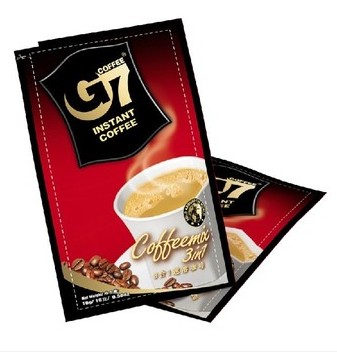
The first wave of instant coffee in the world is not in South Korea, and its market share is down 9.4% from the same period last year.
China Economic Network, Beijing, Dec. 8 (Reporter Wu Jing) according to Yonhap news agency, the industry data released by South Korea's Ministry of Agriculture, Food and Rural Affairs (Ministry for Agriculture, Food and Rural Affairs, hereinafter referred to as MAFRA) on Tuesday showed that although South Korea's total coffee consumption showed an upward trend in 2015, the market share of instant coffee continued to decline.

China's coffee has entered the era of boutique, coffee joining will set off "the third wave"
Boutique coffee shops are becoming more and more popular on the west coast of the United States. After the advent of instant coffee and the debut of coffee franchise stores, this high-quality coffee shop, which is particular about the purchase and brewing of coffee beans, is called the third wave in coffee history. While the influence of boutique coffee franchisees is gradually expanding, China, as the largest coffee seller in the world, is destined to set off boutique coffee to join.

What does the third wave of boutique coffee mean after 20 years?
The third wave of boutique coffee has lasted for 20 years. Do you know what that means? Scandinavians have come up with the concept of boutique coffee (Nordic people are born to experiment and pioneer), and Americans are responsible for leading the world: planting, picking, processing, baking, education (complete SCAA system), production, packaging, marketing. And the outstanding representatives of these Americans: the most recent foray into Asian society
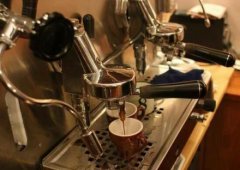
The third wave of boutique coffee neo-caffeism
Since the 1990s, as the United States, the largest coffee consumer, has extricated itself from the decades-long downturn in coffee consumption, the world has set off another coffee consumption boom. This coffee craze is accompanied by the tide of globalization and borrows the advantage of the new economy. In this Internet era, it has created a magnificent new caffeism. The upsurge of global coffee consumption

Blue bottle coffee acquired by Nestl é will open its first store in South Korea next year. The next stop is China?
Professional baristas follow the coffee workshop (official Wechat account cafe_style) shortly after Blue bottle Coffee CEO said it was considering opening stores in South Korea and China, there was news that the boutique coffee brand would open a store in South Korea in March next year. So, is this coffee industry Apple coming to China soon? The snack generation noticed that recently, foreign media quoted sources in the industry as saying

The helpless reality of Asian Coffee _ the Price of Asian Coffee beans _ the present situation of Coffee Trade in Asia
Professional coffee knowledge exchange more coffee bean information please follow the coffee workshop (Wechat official account cafe_style) one cup in the morning, one cup in the afternoon, and one cup in the evening is the attitude. At the moment of cup after cup, the consumption of coffee beans in Asia has surpassed that of Europe and the United States, ranking first in the world. It is a veritable black gold and has set off trillion yuan business opportunities all over the world. In Taiwan alone
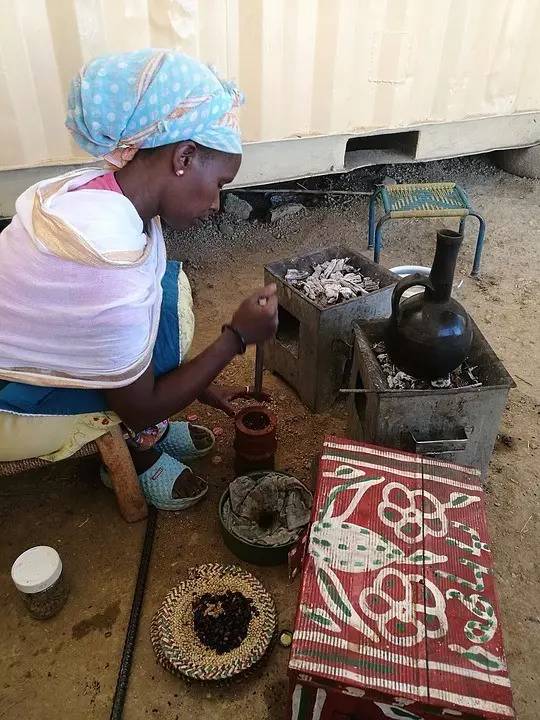
Barista must know the chronicles of coffee! Coffee History Review
How do you create coffee? Why not? Coffee tournaments around the world and a $30 billion export industry, how did we get here? Also, how did the first, second, third and even fourth waves of coffee come about? If you've ever thought about these questions, be prepared. Old Walter will lead you from the 14th century onwards.

How do humans create coffee? Why would you do that?
How do humans create coffee? Why would you do that? How did we get this far in coffee competitions around the world and an industry that exports 30 billion dollars a year? In addition, how did the first, second, third or even fourth wave of coffee come from? If you have ever thought about these questions, please be prepared. Lao WA will take you from the 14th century. It's easy.

While the Chinese are boycotting Rakuten, the American people are boycotting Starbucks
Recently, with South Korea's Rakuten's help in deploying the THAAD anti-missile system in South Korea, we can see a large number of netizens on the Chinese Internet setting off a big wave of boycotting Rakuten, which makes many people pessimistic about Rakuten's future in China. While this wave of boycott is on the rise, many Americans on the other side of the Pacific are not idle. They are arriving.

Let coffee accompany you with Korean coffee culture.
Some people say that Koreans have a gift for learning what is like and have the ability to accept all rivers and learn from their strong points to make up for their weaknesses in Western culture. Coffee is a good example. South Korea does not produce a grain of coffee, but it ranks among the top coffee consumers in the world. Walking on the streets of Seoul, you will be surprised why the city has so many cafes, exquisite and beautiful, with people coming and going.

The second wave of coffee: how does Starbucks sweep the world from New York to Taipei?
Professional barista communication please follow the coffee workshop (Wechat official account cafe_style) following the history of the first wave of coffee: who makes office workers want to have a drink with you no matter how busy they are? We discuss the emergence of the first wave of coffee and the story of instant coffee. This time Goat Coffee will take you to understand the globalization of the second wave of coffee chain coffee shops. What is the second wave of coffee?
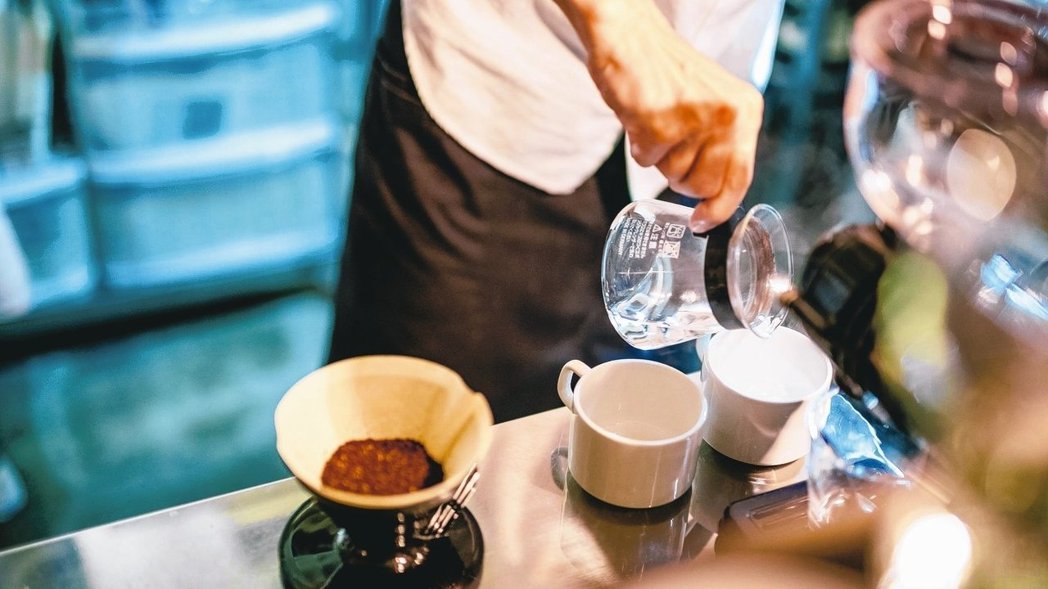
The differences and characteristics of the three major coffee cultural circles in the world-Japanese coffee, Nanyang coffee and North American coffee
Professional coffee knowledge exchange more coffee bean information please follow the coffee workshop (Wechat official account cafe_style) North Asia (Japan), one of the two major coffee cultural circles in Asia | mild, sweet and slightly bitter coffee was introduced to Japan in the 16th century, and in the late Meiji era (1888), the first teahouse selling coffee appeared in Japan. Since then coffee culture has gradually spread in Japan.

The pace of Blue bottle Coffee entering China is speeding up. Chinese stores of Blue bottle Coffee are not far away!
Professional coffee knowledge exchange more coffee bean information please follow the coffee workshop (Wechat official account cafe_style) recently, there are online media rumors that the coffee industry's Apple Blue bottle Coffee (Blue Bottle Coffee), which was acquired by Nestl é last year, is about to enter China, and as soon as this year. In the face of the booming Chinese coffee chain market, snacks have been introduced before.
Where is there coffee raw bean market in Canada foreign coffee market
Brazilian Volcano Coffee-VOLCANO ORIGIN COFFEES. Our company exports high-quality coffee from the volcano micro-zone of Brazil for direct trade. Our company is located in Possus-Diccardas (Portuguese: Poos de Caldas), a town in the state of Minas Gerais, Brazil. Due to its rich volcanic minerals and hot tropical plateau climate, this area has excellent and unique production quality.

The origin of coffee hand filter cup what are the types of filter cup?
Hand brewing is the most popular way in the third wave of boutique coffee, not only because of its beautiful appearance, but also because of its playability, controllability and ability to meet the needs of different coffee lovers. Hand brewing can better show the flavor of different producing areas, different estates and different coffee. Boutique coffee will be the main trend of coffee development in the world in the future. Coffee filter cup is extract.
Look like a god, not like Korean coffee or repeat the same mistake of table coffee.
On the streets of Beijing and Shanghai, there are some Korean cafes with large floor-to-ceiling windows, pastoral and forest decoration, multi-woody and retro objects, coffee mainly selling fancy sweet drinks, and Korean cafes with dessert foods such as waffle. In the last two or three years, Korean coffee has been distributed in the Chinese market and has shown a trend of rapid development. With the help of coffee products

Korean Wave attacks Korean Coffee China challenges Starbucks
According to the China Business Information Network industry research report, by the end of 2013, the number of cafes in China was about 28000, including more than 8400 chain cafes.

Special sun treatment of boutique coffee from small farmers in Lourdes Jangos, Panama
Professional coffee knowledge exchange more coffee bean information please follow Coffee Workshop (Wechat official account cafe_style) remember the palm tree and La Palma y El Tucan that shook the market and changed the rules of the game? Since its establishment in 2011, Palm Tree and Big Bird Manor has not only been favored by many cutting-edge third-wave bakers around the world, but also in 2019.

There are several waves of coffee to understand that the next fourth wave of coffee has a complete traceability.
Professional coffee knowledge exchange more coffee bean information please follow the coffee workshop (Wechat official account cafe_style) Front Street-Coffee Tide brief introduction in the industrial revolution and the two world wars, coffee and tea played a refreshing and invigorating role, instant coffee is the product of this period, emphasizing convenience, fast and cheap, human beings began to drink a lot of coffee, called the first
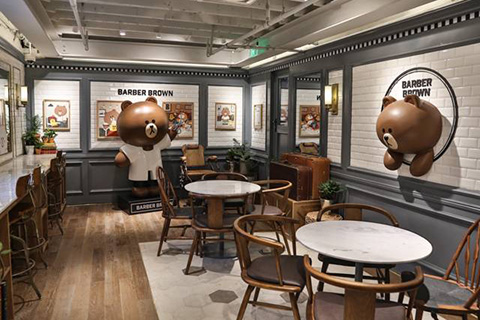
Comments | Why is the Korean cafe that once expanded crazily collapsed?
Korean coffee brands partnered with Chinese investors in 2012 to enter China by relying on the then popular Korean Wave and encroach on the Chinese coffee market in a frenzied expansion.